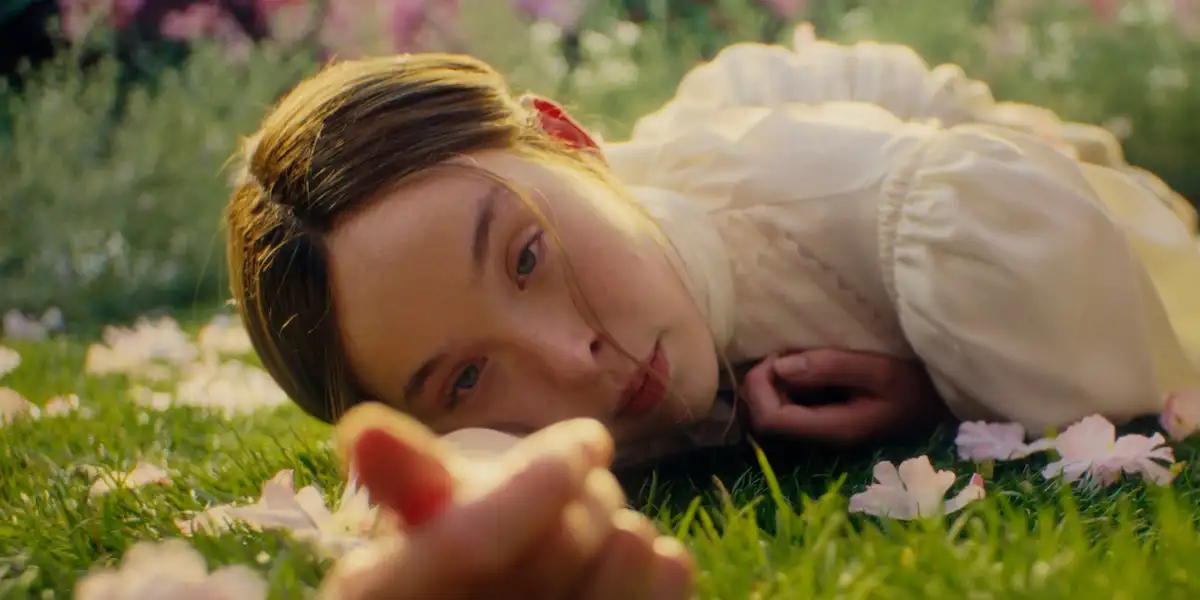
If you expected polite corsets, tea cups, and stiff string quartets from Ryan Murphy's take on Fall River, Massachusetts, think again. The third installment of Netflix's true-crime anthology, Monster: The Lizzie Borden Story, completely detonates the rulebook of traditional costume dramas. Instead of treating the 1892 axe murders like a dusty museum piece, Murphy, co-creator Ian Brennan, and music supervisor Amanda Krieg Thomas give the story the raw, howling energy of a 1990s riot grrrl basement show. It is loud, unapologetic, deeply queer, and easily one of the boldest television soundtracks you will hear all year.
The eight-episode limited series stars Ella Beatty as Lizzie Borden, trapped in a cold New England home ruled with an iron fist by her domineering father Andrew (Charlie Hunnam) and bitter stepmother Abby (Rebecca Hall). Finding an intense romantic escape in the arms of the family's Irish maid Bridget "Maggie" Sullivan (Vicky Krieps), Lizzie's simmering frustration morphs into pure volcanic rage. And every time that rage boils over, the music grabs the wheel.
Bryce Dessner's Score: Chamber Music with Razor-Sharp Teeth
The secret weapon holding this sonic madness together is Bryce Dessner. Best known as the visionary guitarist for indie-rock royalty The National and an Oscar-nominated film composer, Dessner approaches the Borden estate like a psychological pressure cooker. Rather than piling on huge orchestral swells, he builds tension through intimate, unsettling chamber instruments.
Dissonant violins shiver in the background during quiet family dinners, while low, rumbling cellos create a suffocating sense of dread behind closed doors. Dessner understands that silence and repetition can be far more terrifying than a jump scare. His score does not just accompany the drama; it gets right inside Lizzie's skull, turning the creaks and floorboards of the Fall River house into an acoustic nightmare.
The Needle Drops: Taylor Swift, The Runaways, and Fiona Apple
While Dessner delivers the chills, the licensed song choices provide the gasoline. Right from Episode 1, the show announces its rebellious spirit when The Runaways' proto-punk anthem "Cherry Bomb" tears through the Victorian decor, immediately followed by the sweeping, heart-pounding art-pop of Kate Bush's "Hounds of Love."
The true emotional centerpiece arrives in Episode 5 with Taylor Swift and her haunting track "mad woman" from folklore. Placing Swift's biting takedown of patriarchal gaslighting against Lizzie's calculated descent into violence is pure genius. The lyrics feel like they were torn straight out of Borden's diary, capturing the precise moment a woman realizes that polite obedience will never set her free.
The rest of the tracklist is just as sharp. Post-punk duo Wet Leg brings deadpan indie swagger with "mangetout", Chromatics transforms Bruce Springsteen's "I'm on Fire" into a smoky dream-pop fever dream, and Bronski Beat's 1984 queer classic "Smalltown Boy" captures the bittersweet tenderness between Lizzie and Maggie. By the time the finale rolls its credits to Fiona Apple's devastating 1999 ballad "I Know" alongside Natalie Merchant's "Carnival", the soundtrack leaves you completely breathless.
Why the Anachronistic Soundtrack Works So Well
Purists might scoff at hearing 1970s punk and 2020s bedroom pop in an 1892 period piece, but that friction is precisely why the show works. Historic accounts often painted Lizzie Borden as a cold, emotionless freak of nature. By soundtracking her life with contemporary female voices screaming against confinement, the series connects Lizzie's domestic hell to a universal story of rebellion and survival.
Every licensed needle drop feels earned, serving character first and spectacle second. For the complete, scene-by-scene tracklist featuring all 39 episodic songs and original score cues, visit our official guide at Monster: The Lizzie Borden Story Soundtrack Guide, complete with direct streaming links for Spotify, Apple Music, and Amazon.
Monster: The Lizzie Borden Story shows what happens when filmmakers trust music to tell the real emotional truth. Between Bryce Dessner's razor-sharp chamber compositions and an incendiary playlist of feminist anthems, this soundtrack cuts straight to the bone.
Final Soundtrack Score: 9.4 / 10